Headscarves for chemotherapy: Why choosing the right one makes more difference than you think
Choosing the right headscarf during chemotherapy is far more complex than most people initially assume. It's not just about concealing hair loss—it's about comfort, confidence, and practicality during an already challenging time.
Sort by
4 products
Filters
19 colors available
19 colors available
8 colors available
Ready-tied chemo scarves: The decisive difference in comfort
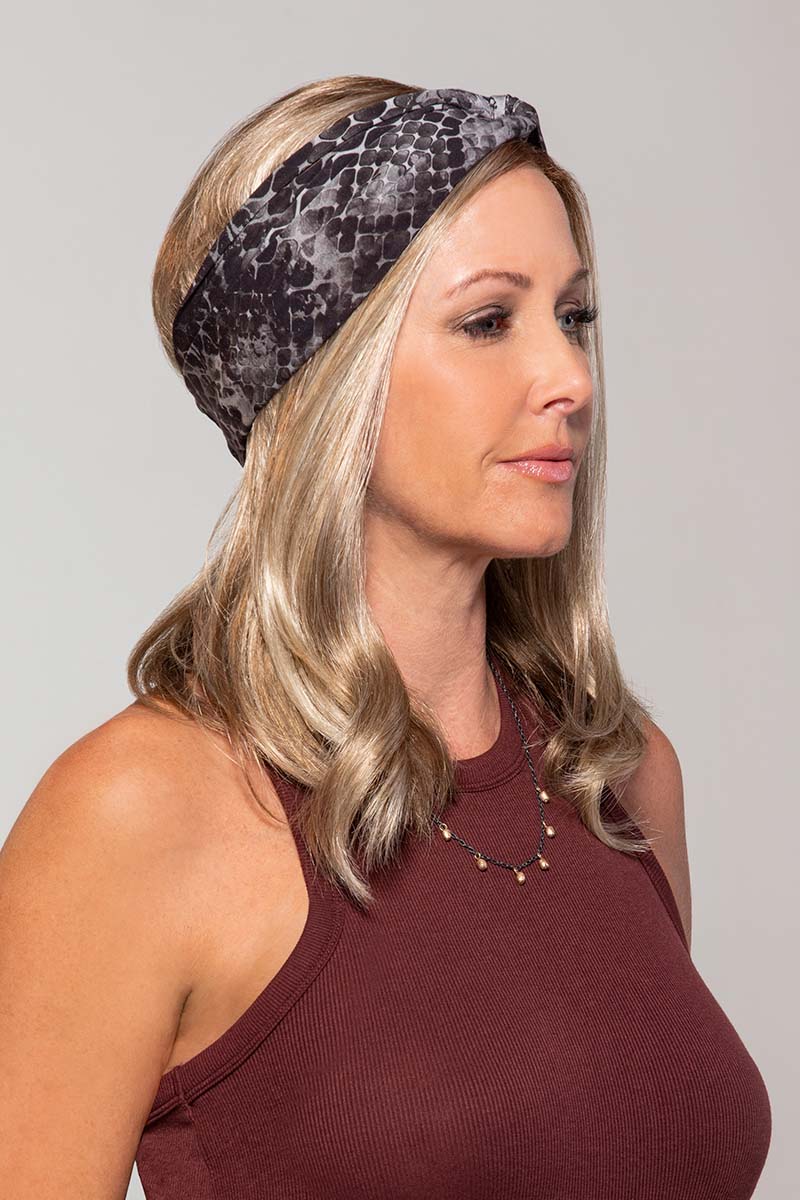
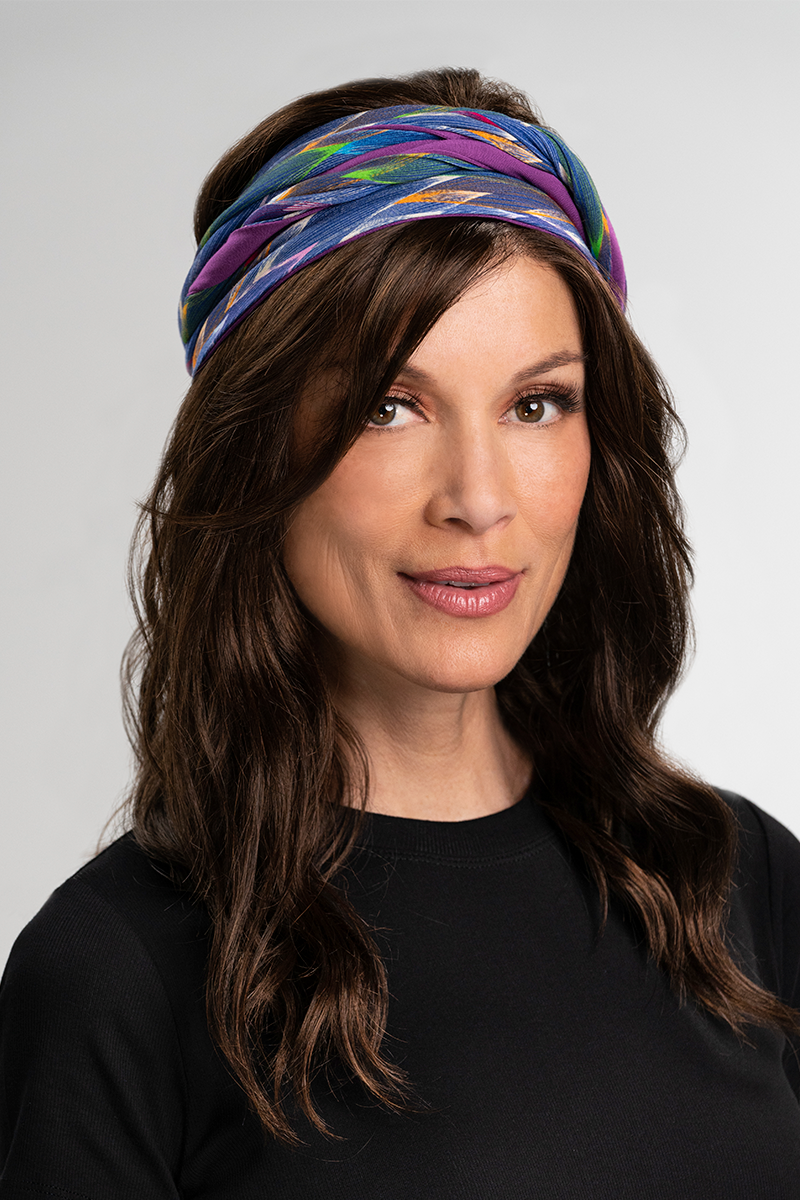
One of the most common mistakes is the assumption that any headscarf is suitable for cancer patients. Ready-made chemo scarves differ fundamentally from conventional scarves in their special construction. They are already shaped to the optimal shape and require no complicated tying or knotting.
What makes this difference so important? During chemotherapy, the scalp is often extremely sensitive. Traditional knots can cause uncomfortable pressure or even pain. Ready-tied knots distribute pressure evenly and completely eliminate annoying pressure points – for example, behind the ears, on the neck, or at the temples, where traditional knots can cause particularly uncomfortable pressure.
Another advantage becomes apparent in everyday life: In the morning after a sleepless night due to the consequences of treatment, the last thing patients want to deal with is the artful arrangement of a headscarf. Pre-tied models can be put on in seconds and fit perfectly right away.
These solutions also prove particularly practical for women with limited hand mobility—a condition that occurs more frequently than expected due to surgery or medication side effects. In addition to the design, however, the material also plays a crucial role in comfort.
Choice of material for sensitive skin: Not all cotton is the same
The choice of material for headscarves for chemotherapy can make the difference between comfort and constant irritation. While many automatically choose cotton, they overlook important quality differences that significantly influence comfort.
High-quality organic cotton for chemo headscarves undergoes special finishing processes that make them particularly soft and skin-friendly. These include OEKO-TEX certification, which excludes harmful substances, chemical-free bleaching processes using oxygen instead of chlorine, and special fabric softeners without harsh chemicals. Conventional cotton blends, on the other hand, can contain residues of bleach or other chemicals that can cause redness, itching, or even inflammation on sensitive scalps.
Bamboo fibers have established themselves as a surprisingly effective alternative. They are not only naturally antibacterial but also temperature-regulating—an important aspect, as many chemotherapy patients suffer from hot flashes. Modal, a special cellulose fiber, offers similar benefits while feeling silky soft.
The breathability of the material is crucial for all-day comfort. Headscarves for cancer patients should be able to wick away moisture without drying out the scalp—a balance that only high-quality materials can achieve.
Summer specialties: Why the season plays a role
Chemotherapy wraps for summer require special attention. The already elevated body temperature of many patients, combined with warm outdoor temperatures, presents a real challenge. Lightweight linen blends or special cooling materials can provide relief without sacrificing elegance. It should be noted that summer fabrics require more frequent washing and should therefore be particularly easy to care for, whereas winter fabrics place more emphasis on heat retention and less on breathability.
Psychological effect: How the right headscarf strengthens self-image
What many outsiders don't understand is that choosing a headscarf during cancer treatment is never just practical. It's a statement of self-determination in a time when so much is beyond one's control. The right headscarf can make the difference between "I feel like a patient" and "I feel like myself."
Headscarves for women with cancer serve a dual function: They protect the sensitive scalp from external influences while simultaneously creating a sense of normalcy. Many women report that wearing the right headscarf makes them feel more confident entering public spaces or engaging in social activities.
The choice of color plays a bigger role than often assumed. While dark colors may seem practical, light or vibrant tones can positively influence facial color and create a healthier complexion. This is especially important since chemotherapy often leads to paleness or discoloration of the skin.
Another interesting aspect is versatility: Women who have different headscarf styles at their disposal report a greater sense of control and freedom of expression. A simple style for doctor's appointments, a more elegant one for special occasions—this choice is psychologically valuable.
The turban as an elegant alternative
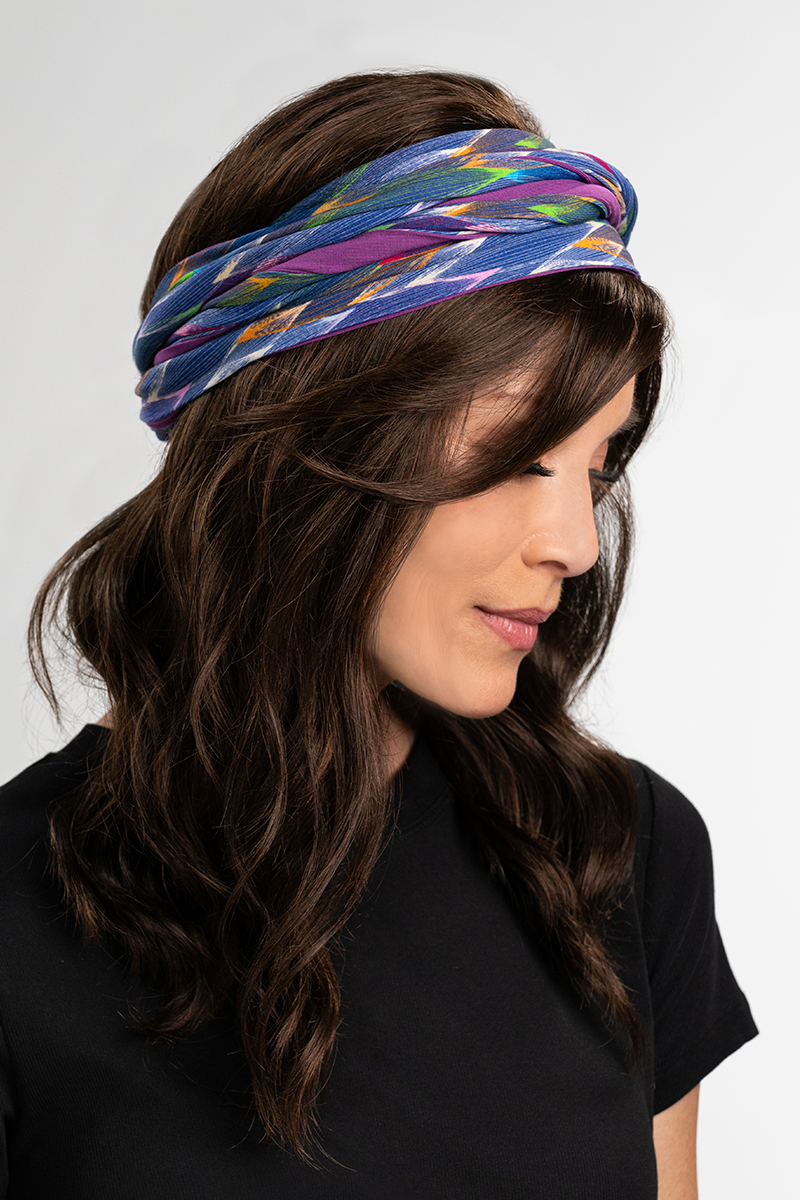
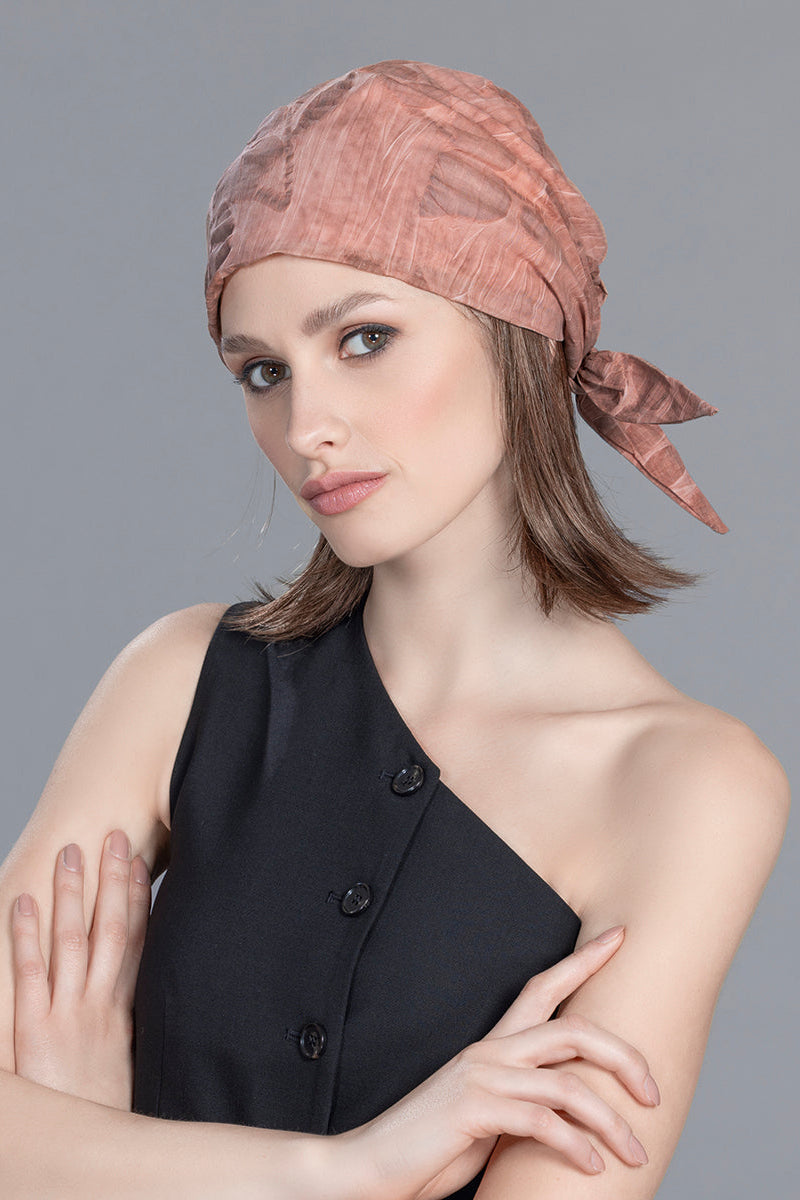
Turbans have established themselves as a particularly elegant solution. They offer more volume than simple headscarves and create a more natural silhouette on the head. Modern turbans for cancer patients are far removed from the exotic image of past years—they have become stylish accessories that even healthy people enjoy wearing.
Which headscarves are best suited for chemotherapy?
During chemotherapy, the scalp is sensitive, so headscarves made of breathable cotton, viscose, or bamboo are ideal. They feel pleasantly soft, don't cause chafing, and reliably protect against cold or sun.
Are there pre-tied chemotherapy dressings available for easy application?
For added comfort, there are pre-tied chemotherapy headscarves that fit perfectly. They save time, stay in place, and are ideal for women who want a simple yet stylish head covering.
How do I tie a headscarf correctly if I'm experiencing hair loss?
To tie a chemotherapy headscarf correctly, first place it in the center of your head, bring the ends back, and knot them at the nape of your neck or on the side. Many customers choose looser styles for more volume or combine the scarf with a wig cap for better support.
Which headscarves are most comfortable in summer?
Especially in summer, thin scarves made of viscose or bamboo are comfortable to wear. They wick away moisture, allow the skin to breathe, and prevent heat build-up. Light colors also reflect sunlight and protect the scalp.
How do I properly care for a chemotherapy headscarf?
Most chemotherapy wipes can be washed at 30°C on a gentle cycle. Use mild, fragrance-free detergents and allow the wipe to air dry. This will keep it soft, colorfast, and comfortable to wear.
Are there fashionable headscarves for female cancer patients?
Headscarves can be both protective and stylish. At La Peruca, you'll find a wide selection of modern, pre-tied, and individually combinable models – from subtle solid colors to elegant patterns that highlight your personality.
Order up to three model and try them at home
14-day return policy
Free consultation
Secure payment methods