



The right wig brush: Why your synthetic hair needs different care than natural hair
You've finally found the perfect wig—one that gives you natural charisma and renewed confidence. But after just 3-4 weeks, the synthetic hair looks dull, tangled, or even damaged. The reason? Often, it's not the quality of the wig, but improper care—especially when it comes to brushing.
While many people think any hairbrush is suitable for extensions and wigs, practice shows otherwise. A special wig brush can mean the difference between months of enjoyment from your hair replacement and premature wear. Learn how proper care with special brushes protects your investment.
Sort by
9 products
Filters
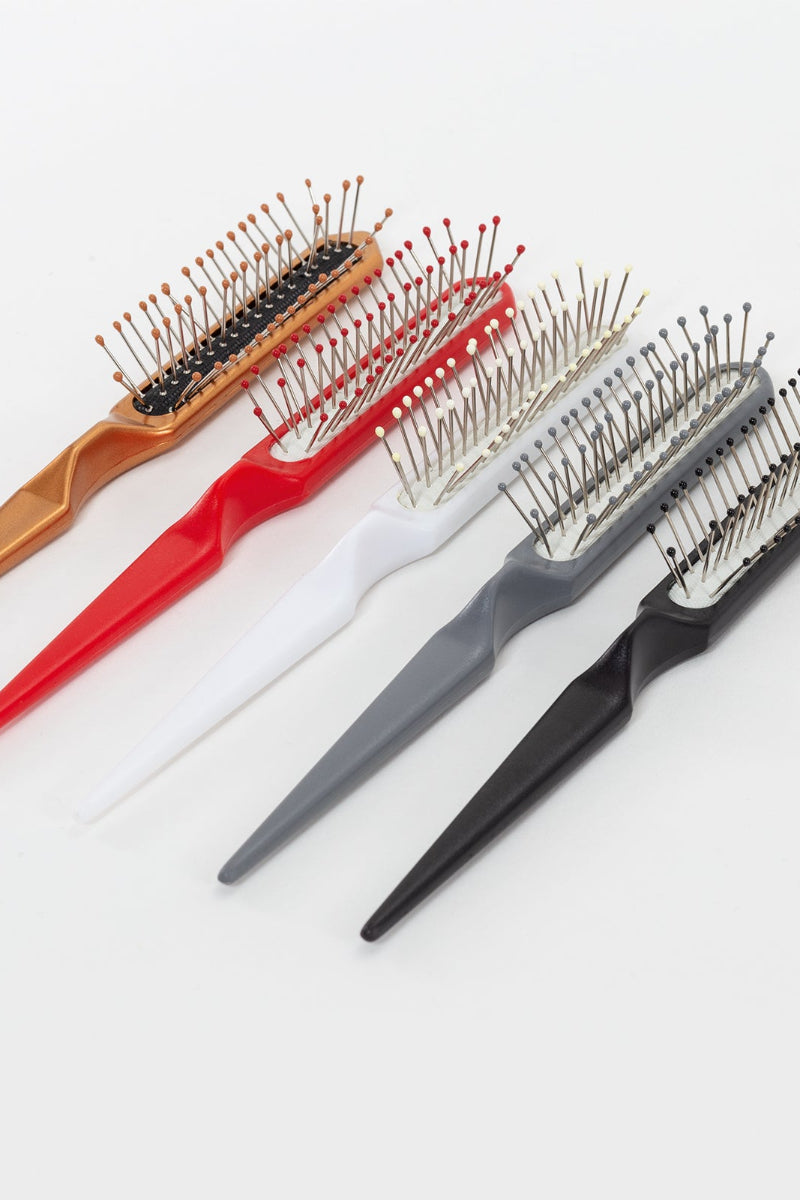
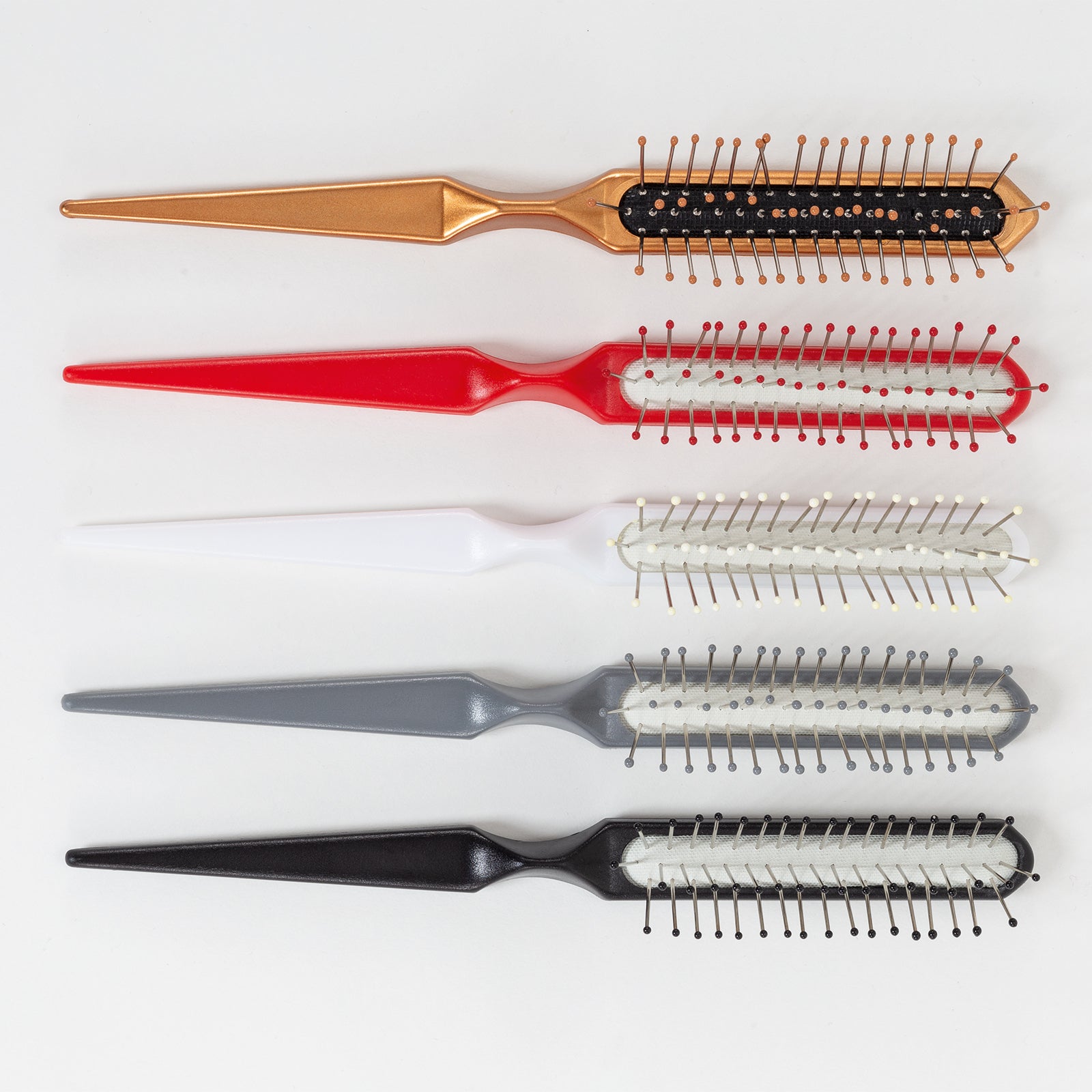
5 colors available
Why conventional brushes can damage synthetic hair
At La Peruca, we witness customers' surprises every day when they discover that their beloved hairbrush has systematically damaged their expensive synthetic hair. Synthetic hair has a completely different structure than natural hair—it lacks a protective cuticle and cannot regenerate itself.
Conventional brushes with hard bristles or sharp edges can literally tear the fine synthetic hair fibers. This becomes especially problematic if you brush with too much force or are too aggressive on tangled areas. What might be relatively minor in natural hair can cause irreparable damage to synthetic hair.
Many of our customers report that they unknowingly used their usual hairbrush for years - until they noticed that their wigs were losing their natural shine much faster than expected.
The most common brushing mistakes that ruin wigs
The biggest mistake we see at La Peruca: Brushing too aggressively in the wrong direction. While natural hair is usually brushed from the scalp to the ends, you should do the opposite with wigs and extensions. Always start at the ends and slowly work your way up.
Another critical point is brushing wet synthetic hair. Damp synthetic hair fibers are extremely delicate and can break or permanently lose their shape under mechanical stress. Always let your wig dry completely before brushing.
Many people also make the mistake of brushing too vigorously every day. Synthetic hair doesn't need this frequent care—in fact, the opposite. Excessive brushing can roughen the texture and reduce shine. With high-quality wigs, gently smoothing the surface strands is often sufficient. Brush high-quality wigs only 2-3 times a week, except during periods of intense movement or windy weather.
Particularly tricky: Circular brushing motions. What creates volume in natural hair leads to tangled, difficult-to-remove tangles in synthetic hair. Always use straight, continuous strokes and avoid jerky movements.
What makes a real wig brush different
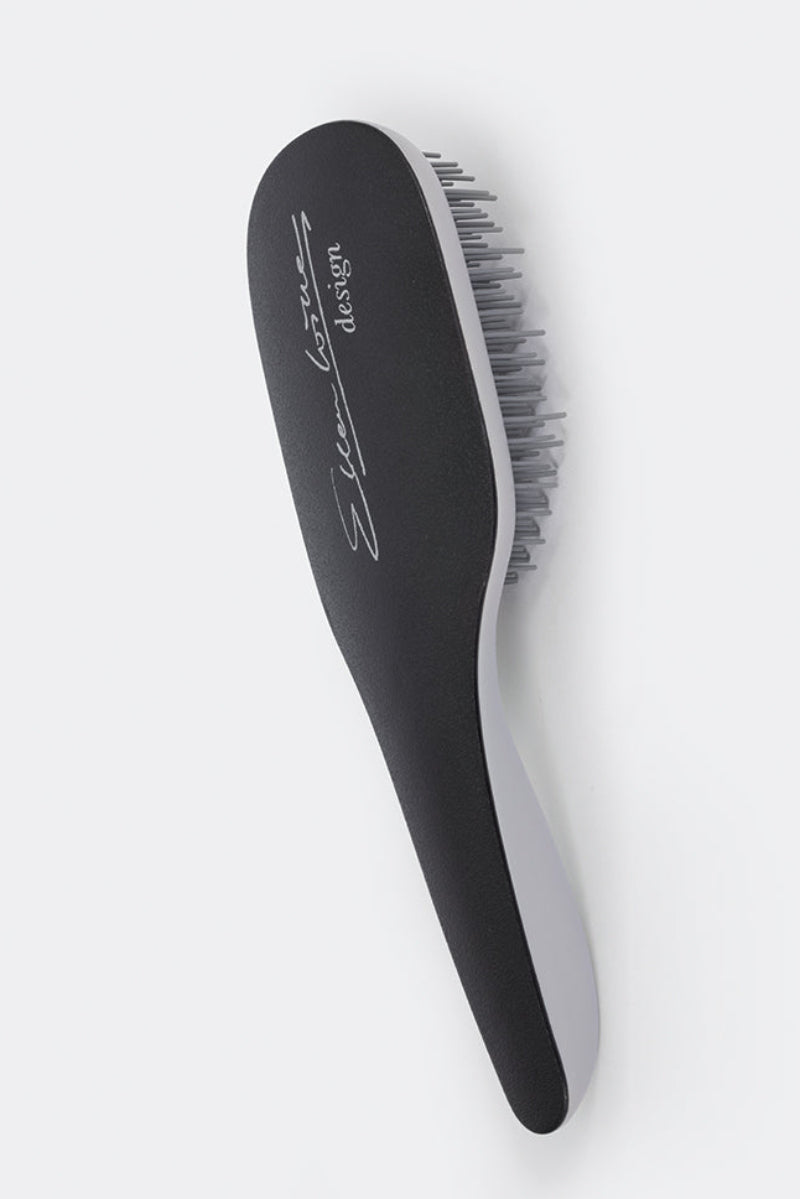
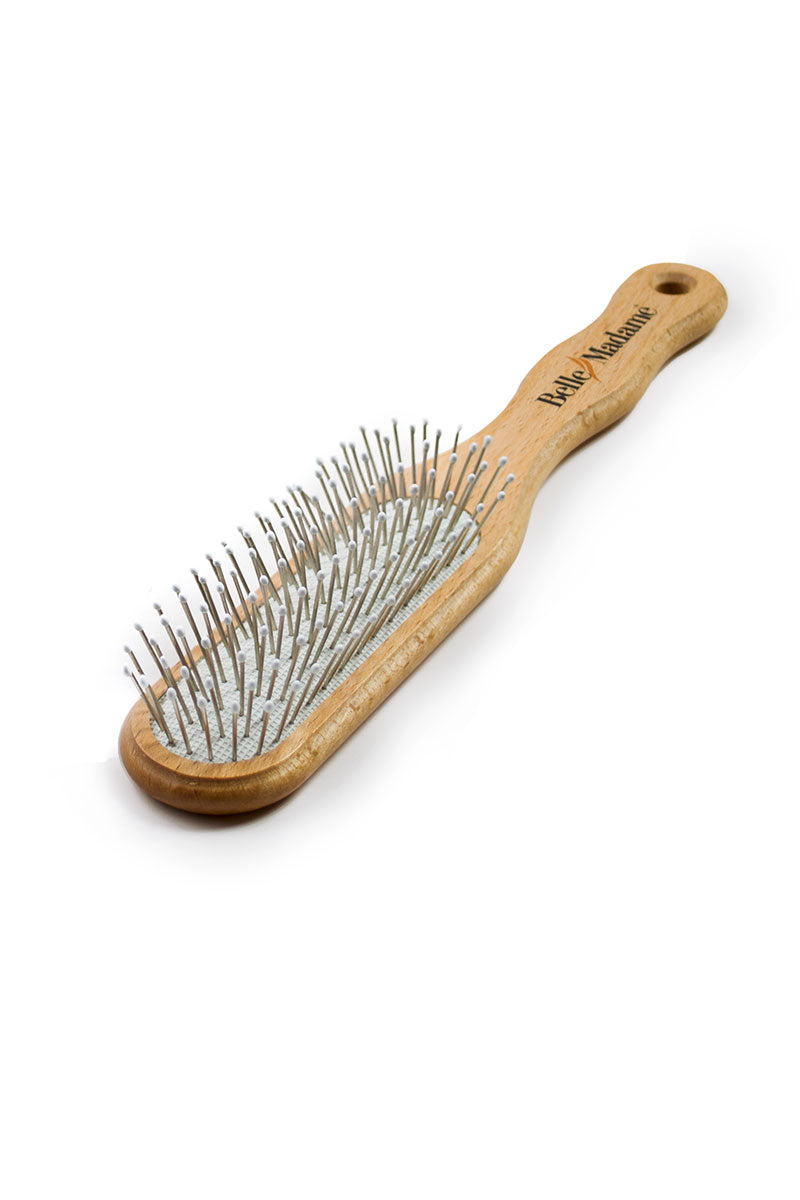
A professional hairbrush for extensions and wigs is fundamentally different from conventional brushes. The bristles are softer, more flexible, and have rounded tips that glide smoothly over the synthetic hair fibers without damaging them.
Another critical issue: static charge. Conventional brushes create an electrostatic charge in synthetic hair, causing it to literally "puff up" and look unnatural. A professional wig brush is specially coated to minimize this problem.
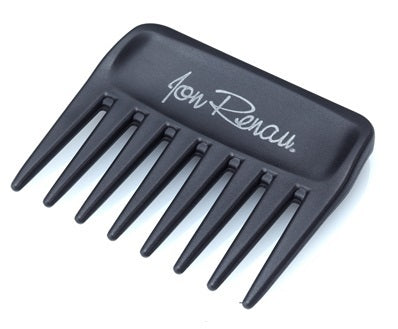
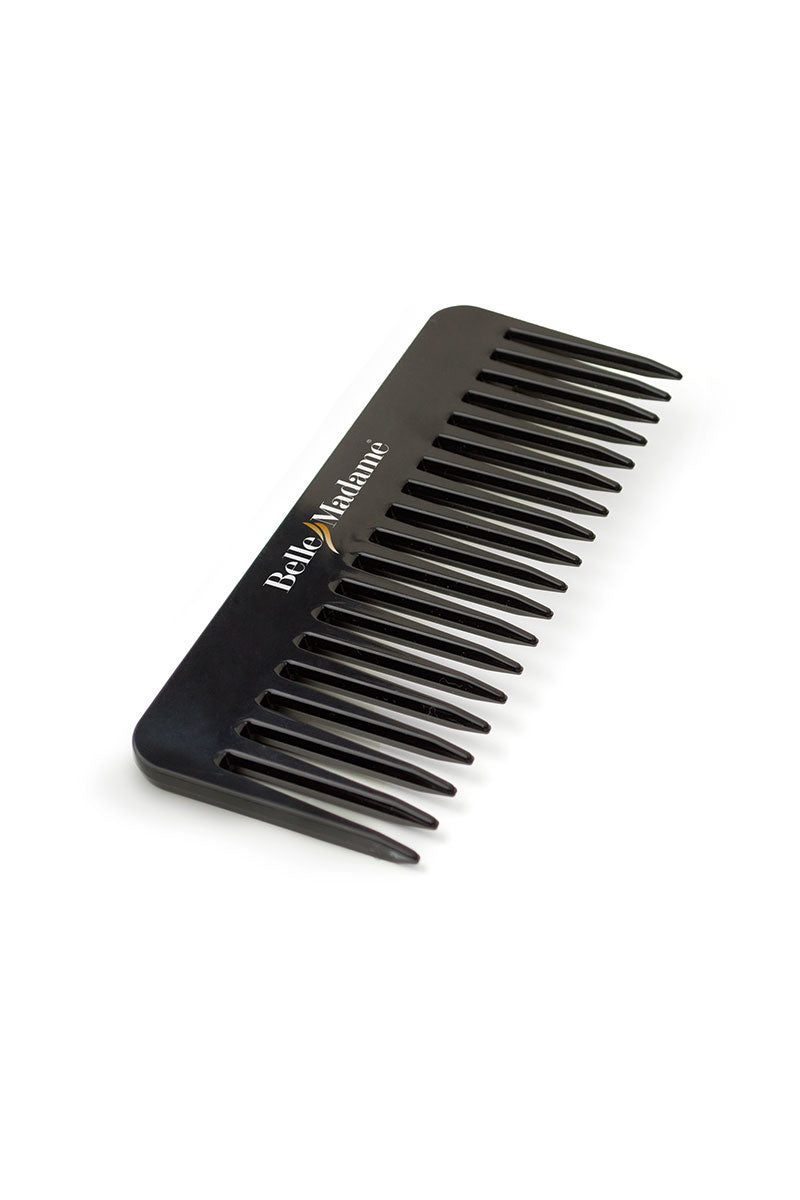
The wig comb, on the other hand, is particularly suitable for gently detangling individual strands. Its wide, smooth teeth can loosen even stubborn knots without pulling out any hair. This is especially important with extensions, as extensions are only attached at the roots and can slip out if pulled too hard, as every stray strand of hair spoils the overall look.
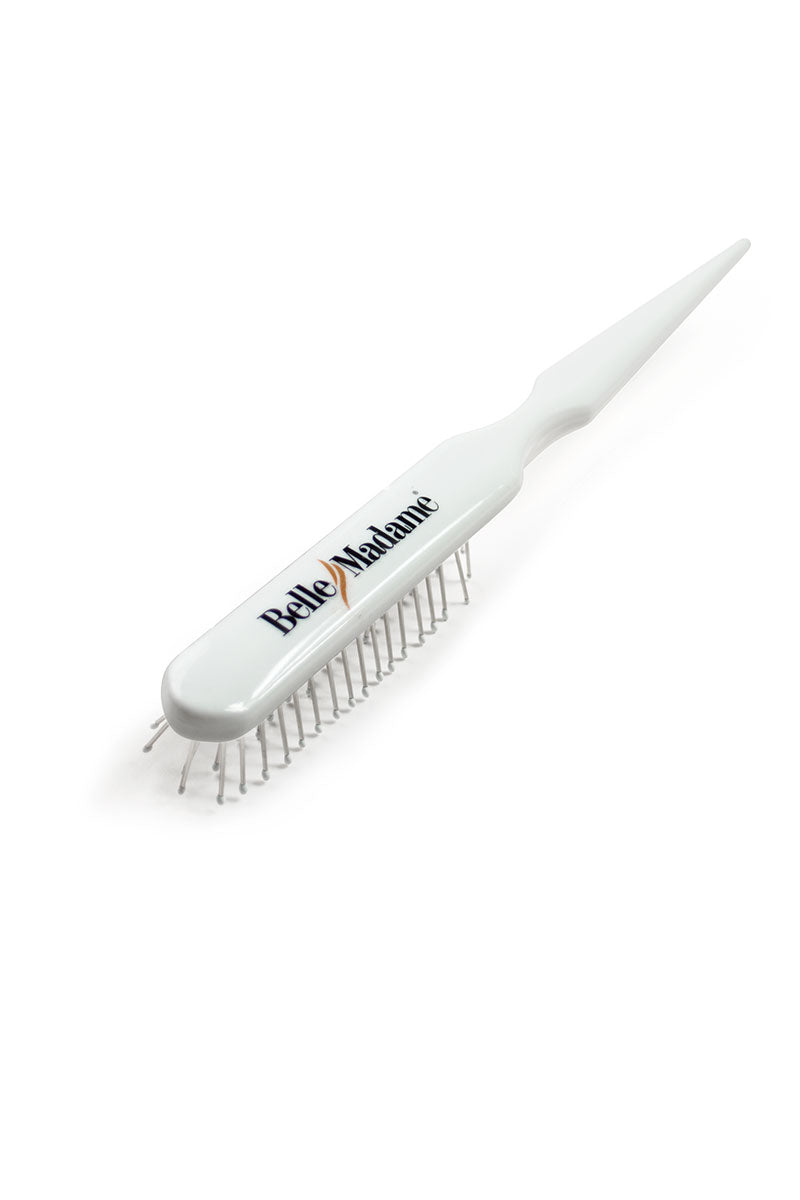
A crucial technical difference: The right wig brush uses a special cushion system. The bristles are mounted on a flexible cushion that gives way when faced with resistance, preventing the teeth from tearing through knotted areas when applying harsh pressure. This flexibility protects both the synthetic hair fibers and the delicate wig cap (cap) underneath.
Another advantage is the antistatic coating. While conventional brushes create an electrical charge in synthetic hair, a wig brush neutralizes this charge and ensures natural hair fall. The result: Your wig retains its original shape and texture significantly longer.
Professional care routine for long-lasting beauty
After over ten years of experience at La Peruca, we've developed a care routine that will significantly extend the life of your wig. The first step: Invest in a high-quality wig brush and a matching wig comb. This investment will pay off many times over with the extended lifespan of your hairpiece.
Never brush your wig directly on your head. Place it on a wig stand or hold it gently in your hand. This allows you to apply controlled pressure and avoid damage to the frame. With extensions, work systematically from strand to strand.
The right technique makes all the difference: Hold the top of the wig or extension firmly and brush from bottom to top with gentle, even pressure. Never force tangles; instead, work patiently, millimeter by millimeter.
A practical insider tip: Occasionally use an anti-static care spray. Lightly spray it onto the wig brush (never directly onto the synthetic hair) and distribute it evenly while brushing. This will give lasting shine and make it easier to care for.
Investing in quality pays off in the long run
Many of our customers initially wonder whether a special wig brush is really necessary. The answer usually becomes clear after a few weeks: Wigs cared for with professional tools retain their original quality significantly longer. A high-quality wig brush can extend the lifespan of a wig by months.
At La Peruca, we therefore generally recommend that our customers invest in proper care alongside their wig. After all, what good is the most beautiful hairpiece if it loses its shine prematurely due to improper care?
Have you already had experience with different wig brushes, or are you wondering which type of brush is best for your specific wig? Our experts will be happy to advise you personally at +49 30 8940 9449 or via email – because proper care starts with the right equipment.
Which brush is best suited for hair extensions?
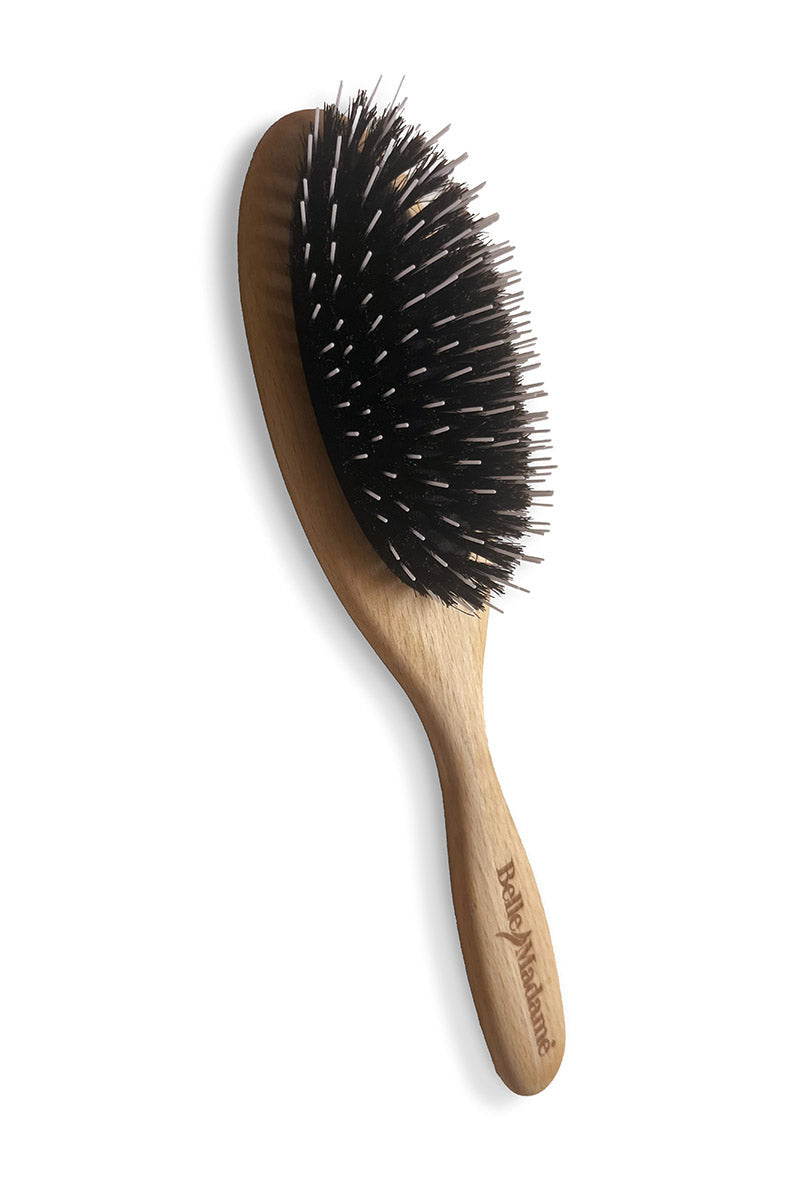
Brushes with soft, flexible bristles are ideal for extensions, as they glide gently through the hair without damaging the bonds. Brushes with nylon bristles or a combination of boar and synthetic bristles are particularly recommended. They condition the hair, detangle knots, and protect its structure.
Why should you use a special hairbrush for hair extensions?
A regular brush can pull on the attachments and loosen the extensions. Extension hairbrushes are designed to glide gently over the bonds. This keeps the extensions securely attached and protects your natural hair – for consistently healthy, full hair.
How do you brush hair extensions correctly?
Always start at the ends of your hair and work your way up slowly. Hold the hair gently to avoid putting strain on the bonds or tapes. Extensions should only be brushed when dry. This will prevent breakage and extend the lifespan of your hair extensions.
Which brush is suitable for real hair extensions?
For real hair extensions, brushes with natural or boar bristles are recommended. These distribute the hair's natural oils evenly and add shine without damaging the hair structure. Alternatively, brushes with soft plastic pins are well-suited for gently detangling knots.
How often should you brush hair extensions?
Extensions should be brushed thoroughly but gently morning and evening. Regular brushing prevents tangles and keeps the hair healthy and shiny. Always use a special extension brush to protect the bonds.
Can I use the extension brush on my own hair as well?
An extension hairbrush can easily be used on your own hair as well. Its flexible bristles gently detangle the hair, promote blood circulation in the scalp, and distribute natural oils – ideal for healthy, well-groomed hair.
Order up to three model and try them at home
14-day return policy
Free consultation
Secure payment methods